Private Events
How to Choose a Live Musician From the Quotes You Get Back
Dylan Galvin is a live events performer who has performed across the United States since 2009, now based in the DMV (Washington DC, Maryland, and Virginia). He has played more than 1,500 events, including work for Coca-Cola, Wells Fargo, Lincoln, and CBRE. A Berklee College of Music graduate, mentored by music legends John Mayer, Paul Simon and Livingston Taylor.
Ten musicians answered your request within the hour. That speed is the first thing worth questioning.
Booking sites are built to push every performer to reply fast, even when the request is a poor match. A full inbox shows how the site works. It says little about who is right for your event. In 126 recorded sales calls with prospective clients, 49 came from a marketplace site (Bark, Thumbtack, GigSalad or The Bash). The steps below work for a wedding, a corporate event or a private party, whether the replies came from a booking site, an agency or a direct message.

A Quote Is Not a Rate Card
Some booking sites force performers to show an hourly rate, even performers who price a flat package that covers a set number of hours. The number on the profile can be a display setting of the site and tell you little about how the performer prices.
Do not divide a flat fee to work out an hourly rate. A performer who charges one fee for a three-hour set will not play one hour for a third of it. The first hour carries the most cost, because it holds the prep time, hauling and setting up the gear, and the travel to and from the venue. Those costs are the same whether the music runs one hour or three.
Ask each performer for the package price and what it covers: hours played, setup, travel and sound. Then compare packages. How price points reflect an entertainer's quality goes deeper on reading a number.
Three Fast Cuts for a Long List
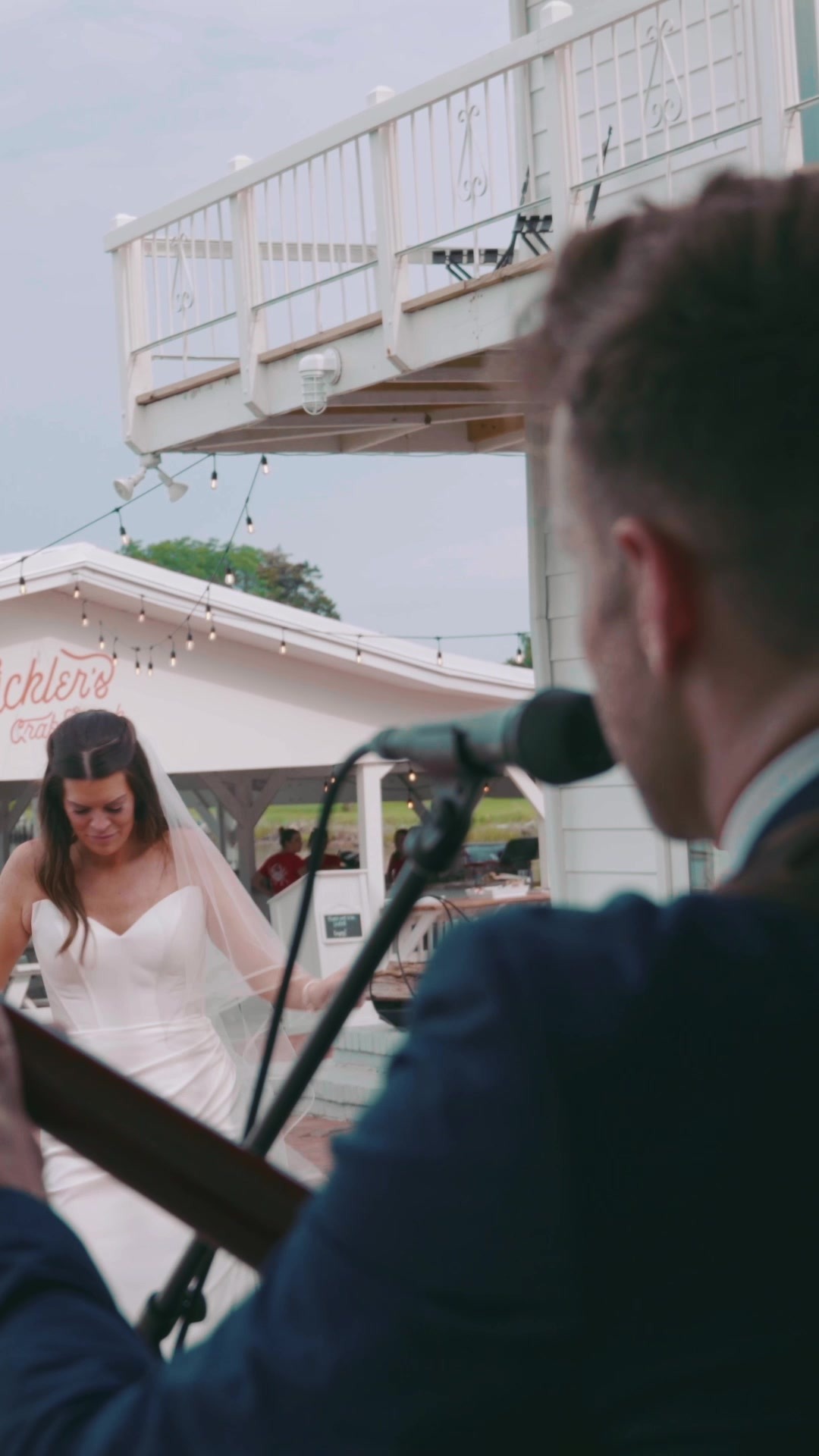
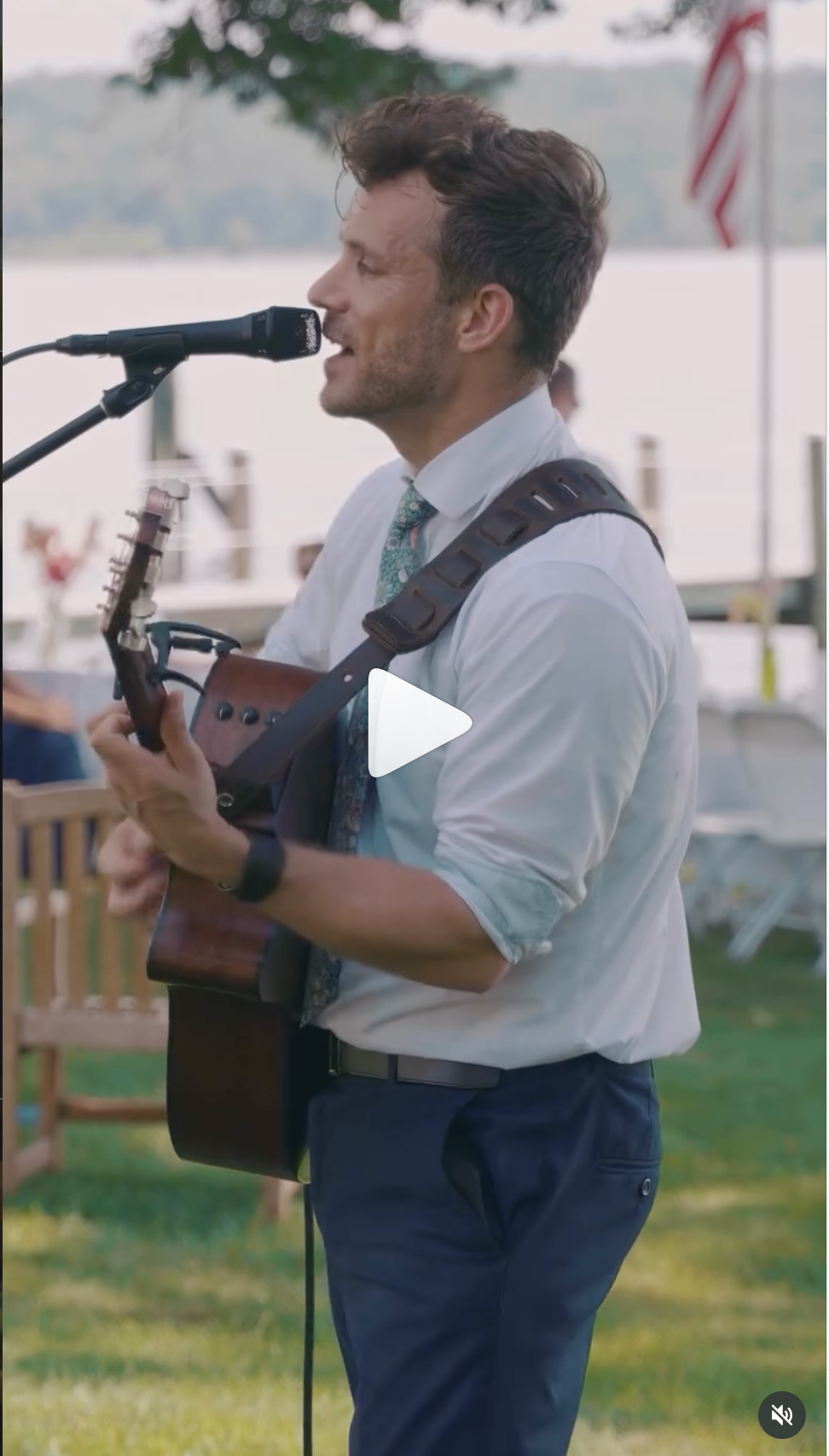
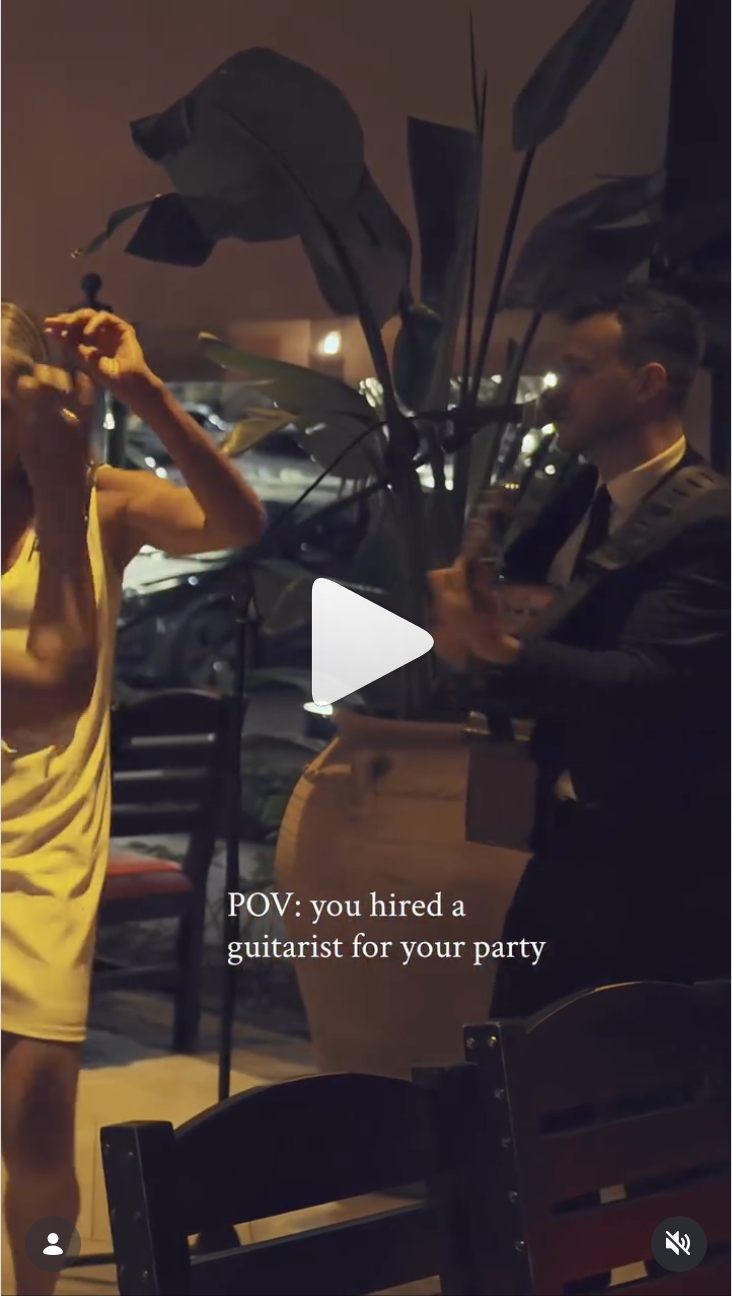
Cut anyone with no live-event video. Look for the performer playing at an event and responding to people in real time. A clip of recorded audio laid over a video, or a studio session, does not count. Real footage looks like this:

Cut anyone who will not get on a call or video chat. A performer who wants your day to go well asks what you like and what you dislike. A performer who only wants the booking often skips that conversation.
Cut anyone booked solid for months. A full calendar does not prove quality. Ask how many events the performer plays each week, and how much time they have for yours.
Agency or Direct: When Each One Makes Sense
An agency earns its place when you are short on time. If the performers you contacted have not answered and the date is close, an agency can find someone fast.
In most other cases, booking direct gives you more control. With an agency you talk to a third party, so details pass through two sets of hands and some get lost. What you see is also not always what you get. You can book one band or musician and receive a similar act in their place. Direct booking removes that risk, because the person answering your questions is the person who plays.
Fees are the other difference. A 15% commission was the standard in the older agency model. Performers report that some agencies now take far more, and that some contracts reach up to half the fee. Many agency contracts also bar the performer from discussing price with you, so the split is hard to confirm. Not every agency works this way. If you use one, ask for the performer's name in writing, whether a substitute is possible, and who approves it.
Pick the Energy You Want
No single trait makes a performer right. If you want high energy, book high energy. If you want music in the background, book someone who plays that way. Many performers do both, so look for a couple of clips at the energy level and in the style your event needs.
A performer whose every video shows them working a dance floor in front of hundreds can be a fine musician and a poor match for a quiet cocktail hour. A performer who roams the room also suits a different job than one on a stage. Pick the performer who matches your event, even if another one has a longer résumé.
Four Questions to Settle Before You Sign
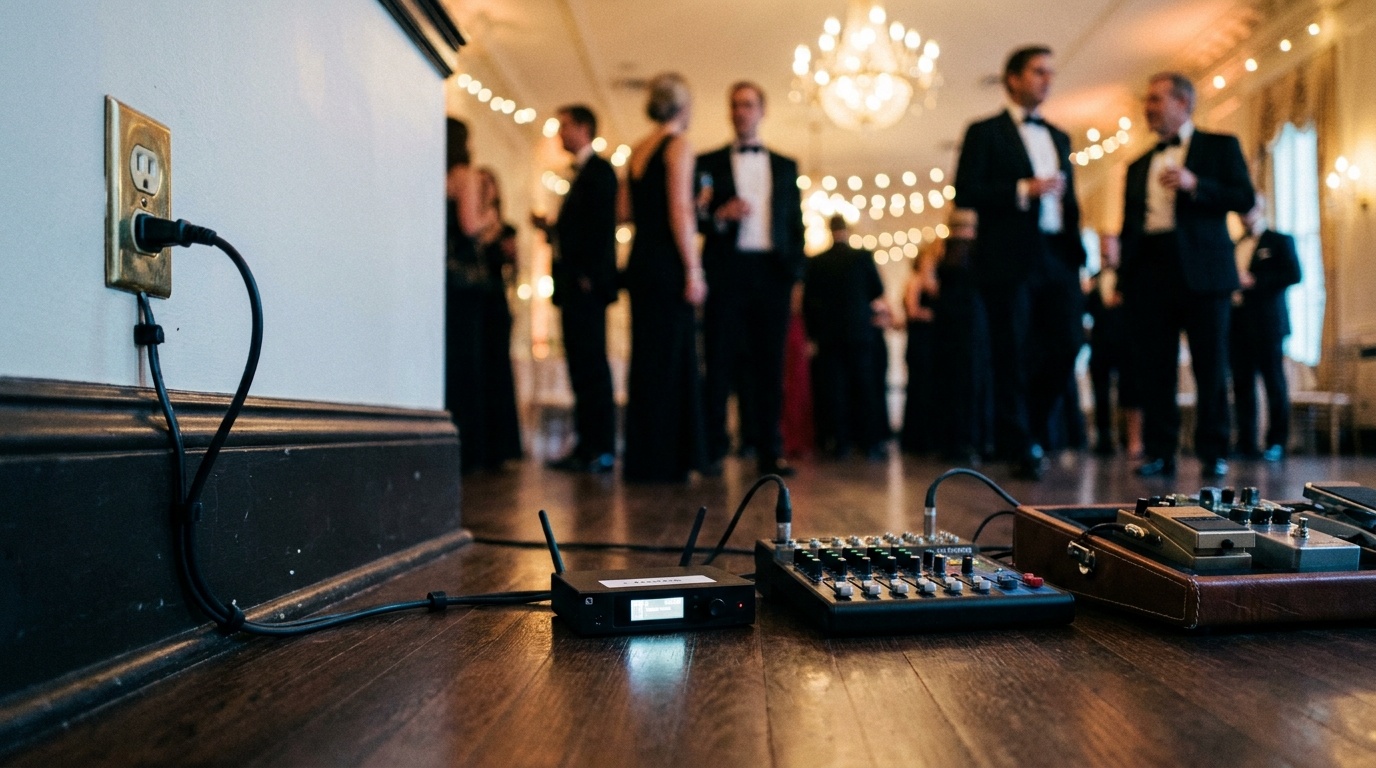
What sound system do you bring? A guitar amplifier alone is a red flag. A PA (public address) system is built so a room of people hears the same sound everywhere. An amplifier makes the guitar loud near the stage. A PA spreads the sound evenly across the room. A performer who will not describe the PA in detail may have semi-professional gear or none. The venue side of sound is covered in what your venue needs to provide for live music.
What else can you cover? Ask about AV services, playing recorded music during breaks, and wireless microphones. A yes on those can save you from hiring a separate AV team.
What is your backup plan? A strong answer names another musician on standby, sent to you for approval if the first performer gets sick. If the performer cancels, they should offer a partial or full refund. Contract and deposit terms lists what to look for in writing.
Do you carry event insurance? Ask for the certificate of insurance (COI). Some venues will not let a vendor work without one. Planners know this routine, but a first-time host often does not, so ask early.
Questions About Insurance Certificates
What does a certificate of insurance show? A COI is a document proving the performer carries liability coverage, and the venue usually sets the minimum. One university venue office asks each musician for $1,000,000 in general liability, $2,000,000 in total coverage across all claims, and the university listed on the policy as an additional insured, according to its certificate of insurance requirements.
How early does the venue need it? Each venue sets its own deadline. The university above wants the certificate three weeks before the event, and one park district asks for its certificate of liability insurance seven days ahead. Ask the venue first, then pass the date to the performer.
What if the performer has no policy? A one-event policy is an option. At one university, a vendor without coverage can apply through a broker and receive a quote within 24 to 48 hours, as its vendor insurance process explains. Settle who pays for that policy before you book.
Watch Them Play, Then Talk to Them
Many websites that give hiring advice earn money when you book through them. Their advice ends with a push to use the site. Use these steps instead.
- Replies arrive fast on booking sites by design, so judge the performers and ignore the volume.
- Compare package prices and what each covers. Do not divide a flat fee into hours.
- Cut anyone without live-event video, anyone who avoids a call, and anyone booked solid for months.
- Book direct when you can, and ask an agency for the performer's name and substitute policy in writing.
- Confirm the PA system, the extras, the backup plan and the insurance certificate before signing.
Contact page: dylangalvin.com/contact.
Latest Blogs