How Are Live Musicians Adapting to Virtual and In-Person Gatherings?
Live music has undergone a revolutionary change in the past few years. What was once impossible for a live musician before modern technology is no longer impossible after the COVID-19 pandemic.
With the intermingling of virtual and in-person events, the line between virtual and in-person performances blurs, creating a hybrid model that shall change the face of the live music landscape.
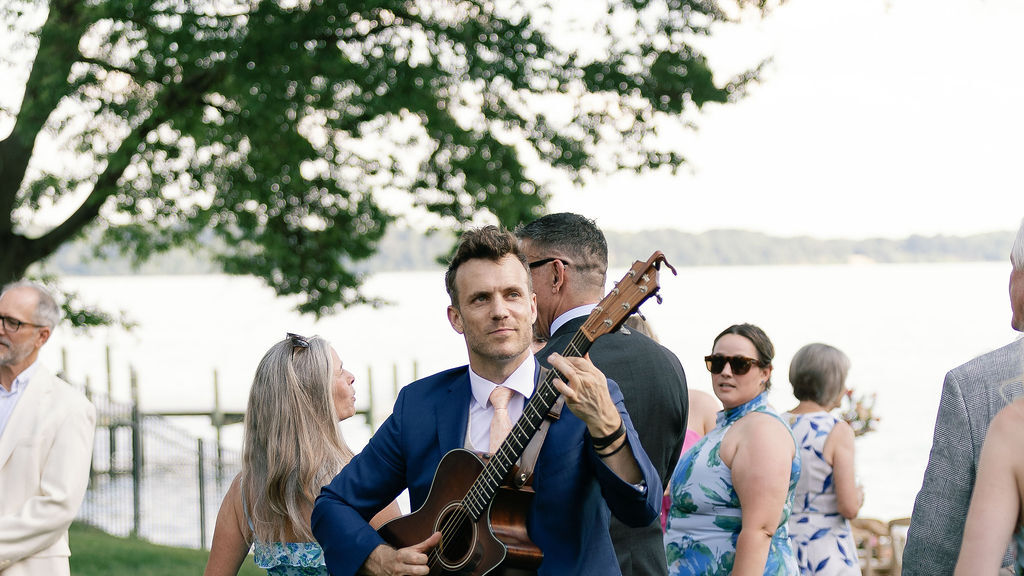
Artists like Dylan Galvin, an award-winning guitarist and singer, are leading the charge by embracing this new era of performance.
The Shift to Virtual Performances: A Lifeline for Musicians
When the pandemic hit, live music came to a screeching halt. Venues closed, tours were canceled, and musicians faced an uncertain future.
But necessity breeds innovation, and artists quickly turned to virtual platforms to keep the music alive. For Dylan Galvin, whose acoustic renditions of popular songs have captivated audiences, this meant diving into the world of live streaming.
Why Virtual Concerts Work?
- Accessibility: It can be streamed anywhere in the world.
- Affordability: Virtual ticketing is sometimes less expensive than going to the event live.
- Intimacy: It enables artists to reach their audience more personally.
The stage was Instagram Live, YouTube, and Zoom for Dylan to perform, share stories, and even take song requests on his playlist. It was not just a performance for him but the foundation for building an army of loyalty in fans who wanted to connect to the artistry itself.
Intimate Virtual Experiences
Another positive aspect of virtual performances is to create an intimate interactive atmosphere where it is not distant like traditional concerts, with huge crowds, yet real-time interactive is possible.
The Ways Musicians Are Making Virtual Shows Special
- Live Q&A: Fans get an opportunity to get to know their favorite artist well.
- Song requests: Audiences feel included through song requests for the songs they enjoy.
- Behind-the-Scenes Content: Musicians share glimpses of their creative process, making fans feel like insiders.
Dylan takes it further by offering VIP packages. These packages include personalized shout-outs, virtual meet-and-greets, and exclusive content. These small touches make the fans feel special and deepen their connection to the artist.
The Rise of Hybrid Events: The Best of Both Worlds
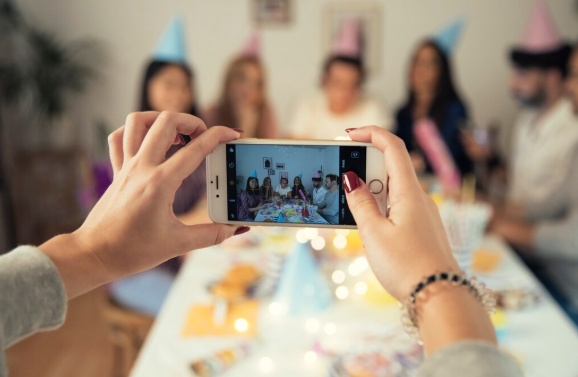
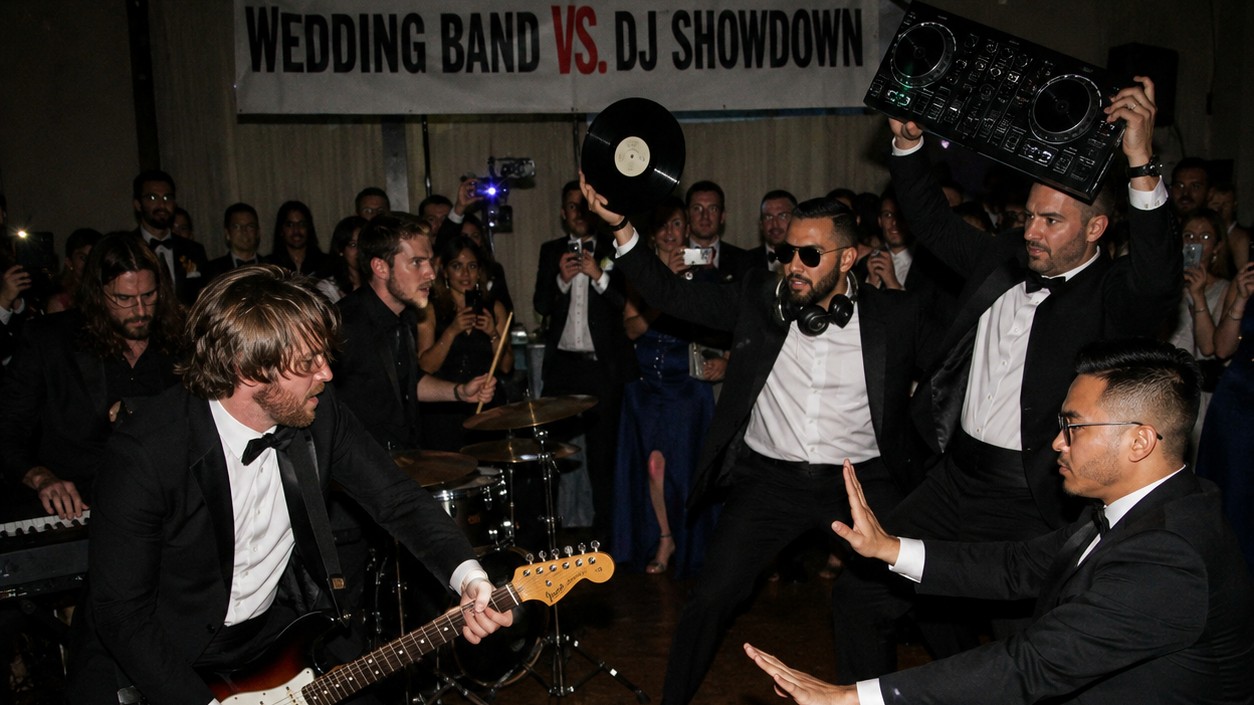
As the world reopened, musicians in the Washington DC area realized that hybrid events—combining in-person and virtual elements—were the way forward. This model allows artists to perform for a live audience while simultaneously streaming the event online.
Why Hybrid Events Are a Game-Changer?
- Global Reach: Fans who can’t attend in person can still experience the show.
- Increased Revenue: Artists can sell tickets to both physical and virtual attendees.
- Flexibility: Events can be adapted to changing circumstances, such as weather or health restrictions.
For instance, while Dylan may perform at a local venue for 300 people, his concert can also be streamed to thousands of fans around the world. This increased reach not only increases his visibility but also opens up new avenues for income through ticket sales, merchandise, and sponsorships.
Improving the Live Experience with Technology
Technology is at the heart of this hybrid revolution. From high-definition streaming to augmented reality (AR), musicians are using cutting-edge tools to create unforgettable experiences.
How Technology Is Elevating Live Music:?
- High-Quality Audio and Video: Professional sound systems and cameras ensure virtual audiences get a premium experience.
- Immersive Visuals: AR and VR can transform a simple performance into a multi-sensory event.
- Interactive Features: Polls, chats, and live reactions make virtual fans feel part of the action.
- Dylan Galvin knows quality. He invests in the best sound equipment, lighting, and wireless microphones to ensure every performance—whether in-person or virtual—is polished and professional.
The Role of Social Media in Modern Music
Social media has emerged as a powerful medium for artists to connect with their audience. Through Instagram, TikTok, and Facebook, artists can promote their work, share updates, and even hold live sessions.
How Musicians Are Leverage Social Media?
- Live Streams: Regular live performances keep fans engaged and coming back for more.
- Behind-the-Scenes Content: Sharing rehearsals, songwriting sessions, and personal stories builds a deeper connection.
- Fan Engagement: Answering comments and messages gives the fans a feeling of being valued.
For Dylan, social media is not only a means of promotion but also a way to develop a loyal fan base that can help him sustain himself through ticket sales, merchandise, and word-of-mouth recommendations.
The Future of Live Music: What's Next?
As we move forward, we will see the future of live music being defined by innovation and adaptability. Here are some trends to watch:
- Avatar Gigs and Holograms: Imagine attending a concert where the performer is a hologram or an AI-generated avatar. This technology could allow legendary artists to "perform" long after they're gone.
- Sustainable Practices: Virtual and hybrid events reduce the need for travel, lowering the music industry's carbon footprint.
- Personalized Experiences: Advances in AI could allow fans to customize their concert experience, from setlists to visual effects.
Conclusion
This shift to virtual and hybrid performances is not just a temporary measure but the future of live music. Artists such as Dylan Galvin are demonstrating how embracing technology, and innovative engagement strategies will enable them to succeed in this new reality.
Whether it's an intimate virtual concert or a dynamic hybrid event, musicians across Washington DC, Virginia, and Maryland are finding creative ways to connect with their audiences. And as technology continues to evolve, the possibilities are endless.
In this new era, live music isn't just about the performance—it's about the connection between the artist and the audience. And that connection will never go out of style.
See what live music for any event looks like, from private gatherings to full-scale performances.
Blog Categories
Latest Blogs