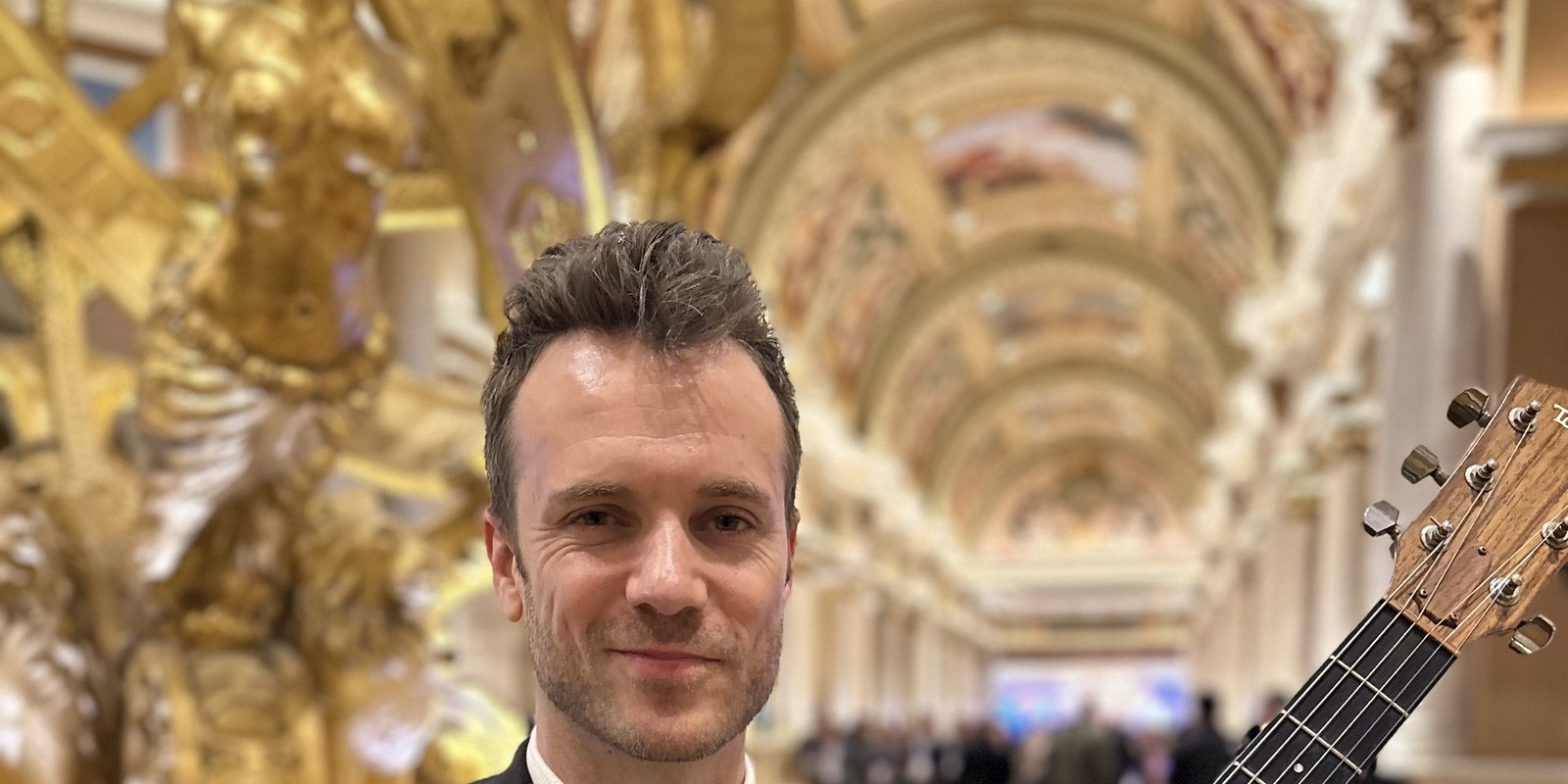
Wedding Singer Guitarist: What Sets a Live Vocal Performance Apart
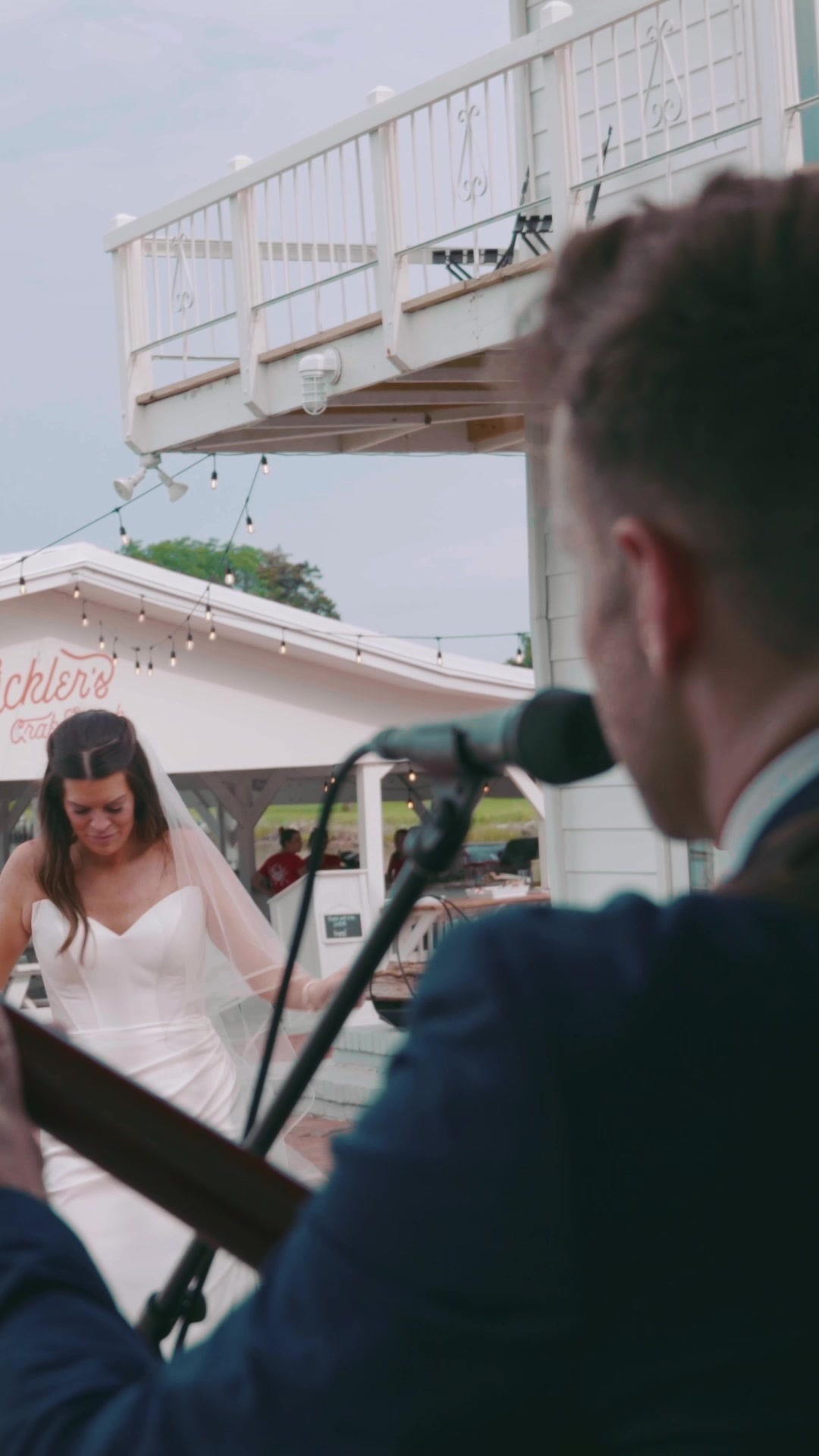
A wedding singer-guitarist performs both the vocal melody and the guitar accompaniment live, giving your ceremony or reception the full emotional weight of a song rather than just its backing track. Instrumental guitar is beautiful for background moments, but vocals carry the lyrics, the story, and the meaning behind a first dance or processional song. If your song choices are meaningful to you as a couple, hearing them sung live, in real time, is a different experience than hearing a melody played on strings alone.
Couples often start out assuming instrumental music is the safer, more traditional choice for a wedding. Then they hear their first dance song, the one with lyrics that actually mean something to their relationship, played back with no words at all. That is usually the moment they start looking for a singer-guitarist instead. I have played both roles at weddings across the DC, Maryland, and Virginia area, and this guide breaks down what a live vocal performance actually adds, when it matters most, and what to look for when hiring one.
Singer Guitarist vs. Instrumental Guitar
- A singer-guitarist delivers vocals and guitar together, which carries lyrical meaning that instrumental music cannot.
- Best moments for vocals: first dance, processional if the song has meaningful lyrics, first look, special dedications
- Best moments for instrumental only: guest arrival, dinner background music, moments where you want music to support conversation rather than command attention
- Key skill to look for: a performer who can adapt tone and delivery to the moment, not just hit the right notes
- Biggest misconception: that a singer-guitarist is automatically louder or more "performance-heavy" than instrumental guitar. Skilled singer-guitarists know how to scale their delivery up or down to match the moment.
- What to ask before booking: repertoire range, ability to learn your specific songs, and experience reading a room during live transitions
Why Do Couples Choose a Singer-Guitarist Over Instrumental Only?
The direct answer is that lyrics matter. A song without its words is a different song. If you chose "your song" because of a specific line, a specific memory it captures, an instrumental version leaves that meaning on the table.
The Emotional Weight of Lyrics
Think about the songs couples actually pick for a first dance or processional. They are rarely chosen for the melody alone. They are chosen because a lyric captures something true about the relationship. A singer-guitarist preserves that connection. An instrumental arrangement, however well played, cannot.
Live Vocals Create a Different Kind of Presence
There is a reason live vocal performance has a different effect on a room than a recording or an instrumental cover. A trained voice, delivered live and adjusted in real time to the acoustics of your specific venue, creates a moment guests feel rather than just hear. That is part of what being mentored by music legends John Mayer, Paul Simon and Livingston Taylor taught me directly: the difference between playing a song and actually delivering it to a room full of people who are paying attention.
When Does Instrumental Guitar Work Better Than Vocals?
The honest answer is that instrumental music is often the better choice for background moments, and a good musician should tell you this rather than push vocals into every slot.
- Guest arrival and seating: instrumental music lets guests talk and settle in without competing with lyrics
- Cocktail hour: a mix of instrumental guitar keeps energy warm without pulling focus from conversation
- Dinner service: instrumental keeps the room comfortable for conversation at the table
Save vocals for the moments where the room's attention is already on the music, such as your first dance, processional, or a specific dedication.
What Should You Look for in a Wedding Singer Guitarist?
A direct answer: look for someone with a genuine vocal range across styles, strong live guitar skill on their own, and the ability to read a room and adjust in real time.
1. Repertoire Range
A good singer guitarist should be comfortable across a range of styles and eras, not locked into one genre. Weddings often call for a mix, from a classic acoustic ballad for the first dance to something more upbeat for guest arrival.
2. Formal Training and Technique
Vocal and guitar performance together is a different skill than either alone. I trained at Berklee College of Music, where the focus was on exactly this kind of integrated performance, learning to support a vocal line with guitar rather than treating the two as separate tasks.
3. Experience with Live Wedding Timing
A singer guitarist needs to manage cues precisely, starting a processional at exactly the right moment or building into a first dance without a delay. This comes from experience playing actual weddings, not just performing in a studio or on a stage with a set list and no interruptions.
4. Willingness to Learn Your Specific Songs
Ask directly whether the musician can learn new requests. Most experienced wedding performers can, within reason, and should be upfront about their process and timeline for doing so.
Can a Singer Guitarist Handle Both Ceremony and Reception?
Yes, and this is one of the most efficient ways to book live music for your wedding day. A singer guitarist who covers both moments means one consistent sound throughout your day, one setup, and often a combined rate that is more efficient than booking separate performers.
If you are also weighing cost for a ceremony versus a full day of coverage, it is worth comparing rates side by side. I break that down in detail in How Much Does a Wedding Guitarist Cost? A Musician's Honest Breakdown.
Common Mistakes and Misconceptions
- Assuming vocals mean louder or more attention-grabbing music. A skilled singer guitarist can deliver a quiet, intimate vocal just as easily as an energetic one.
- Booking based on a demo video alone. A polished studio recording does not always reflect how a musician performs live, in real time, with the acoustics of an actual venue.
- Not confirming song range ahead of time. If you have a specific genre in mind, whether that is classic singer-songwriter material or something more contemporary, confirm the musician has genuine experience in that style.
- Overlooking transitions. A ceremony involves several precise musical cues. Ask how the musician handles timing for a processional, unity moment, and recessional.
- Assuming all instrumentalists can also sing well. Guitar skill and vocal skill are two different disciplines. Confirm both are genuinely strong, not just one.
Expert Tips for Choosing the Right Fit
- Listen to live footage, not just studio recordings, so you can hear how the vocals hold up in a real room.
- Share your must-play list early in the planning process so there is time to prepare any songs that are new to the musician's repertoire.
- Ask about the musician's training and background. Formal vocal and guitar training, along with real wedding experience, both matter.
- Decide which moments call for vocals and which call for instrumental, and communicate that clearly during planning.
- Book combo ceremony and reception coverage with the same performer when possible for a consistent sound and a more efficient rate.
Frequently Asked Questions
What is the difference between a wedding singer guitarist and instrumental guitarist?
A singer guitarist performs vocals along with guitar accompaniment, delivering the full song including lyrics. An instrumental guitarist plays melody and accompaniment on guitar alone, without vocals.
Is a singer guitarist more expensive than instrumental only?
Pricing can vary, but a singer guitarist often costs slightly more than instrumental only, since the performer is delivering two integrated skills. The difference is typically smaller than couples expect, especially when booked as part of a combined ceremony and reception package.
Can a singer guitarist perform our first dance song exactly as the original?
Most experienced singer guitarists can perform a close, faithful rendition of your chosen song. Share the specific version and any details that matter to you during the planning process so it can be prepared accurately.
Should the ceremony processional include vocals or just instrumental?
This depends on the song. If the processional song has meaningful lyrics you want guests to hear, vocals are worth including. If you prefer a quieter, more understated entrance, instrumental only often works better.
How do I know if a singer guitarist can handle my venue's acoustics?
Ask directly about their experience with venues similar to yours, whether outdoor, historic, or a large reception hall. An experienced performer will be able to speak specifically to how they adjust their sound for different spaces.
Final Thoughts
A wedding singer guitarist brings something instrumental music alone cannot: the actual words behind the songs that matter to you. Knowing when to use vocals and when instrumental works better, and choosing a performer with the training and experience to move between both, is what makes live music feel intentional rather than incidental to your day.
If you are planning a wedding in the DC, Maryland, or Virginia area and want to talk through which moments call for vocals and which call for instrumental, I would be glad to walk through your timeline with you.
Curious what a live vocal performance would sound like for your specific songs? Get in touch here to check availability and start planning your ceremony and reception music.
Blog Categories
Latest Blogs